
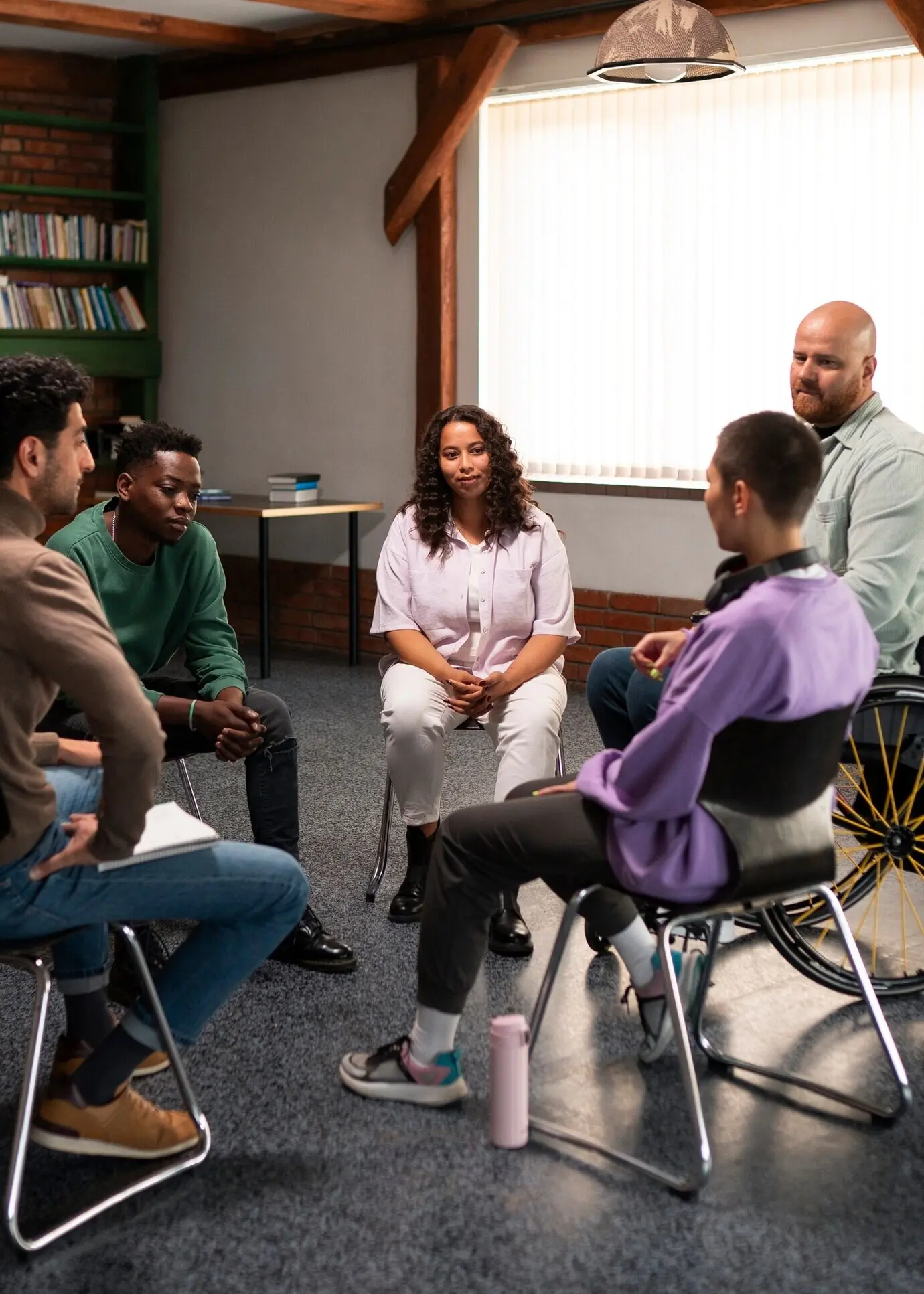
Mine call recordings, chat transcripts, ticket histories, code reviews, and postmortems for telling moments where judgment mattered. Ask frontline employees for patterns they face weekly. Validate with stakeholders to avoid caricature. Keeping language and artifacts real lowers cognitive load and invites honest, unpolished behavior you can shape.

Use a difficulty ladder: start with straightforward dynamics, then introduce ambiguity, time pressure, or conflicting incentives. Ensure success remains possible with the target skills. Too easy breeds boredom; too hard triggers shutdown. The sweet spot builds confidence while expanding capability, session by session, across varied contexts.

Name characters with plausible roles, goals, and constraints. Give them incentives that sometimes clash, such as revenue versus risk, speed versus quality, or autonomy versus alignment. Clarify what is at stake—customer trust, deadlines, compliance—so choices feel consequential, emotions surface, and learning becomes memorable rather than theoretical.

Guide the room with ORID or similar structures: start with observable data, then emotions, then interpretation, then decisions. This rhythm prevents premature judgment while honoring lived experience. People feel heard, connect dots across roles, and leave aligned on the few behaviors that matter most.
Convert takeaways into specific, time-bound actions. Encourage if-then plans, rehearsal partners, and calendar nudges. Ask participants to write one commitment they can attempt this week, plus a trigger and support. Small, consistent experiments compound, making the workshop memorable because it changes daily conversations and decisions.
Invite note-takers, photos of whiteboards, or respectful recordings where appropriate. Aggregate anonymous insights and share a digest with leaders and participants. Highlight progress and tensions. Evidence builds credibility, supports iteration, and ensures your next session begins smarter, not from scratch, accelerating organizational learning over time.
Name breakout rooms playfully, post clear role cards, and share scene-setting visuals. Encourage cameras on without forcing them. Use music for transitions and short stretch breaks. When the environment invites engagement, people volunteer more bravely, practice more often, and leave energized rather than Zoom-weary and detached.
Select a stable platform, collaborative whiteboard, and a backup audio channel. Prepare copy-paste links and quick tutorials. Assign a producer to handle logistics while you coach. Tech should disappear into the background, enabling presence, pacing, and momentum as scenarios unfold naturally across distributed teams and time constraints.
All Rights Reserved.